


What Are Unlisted Shares in India?
Learn what unlisted shares are, how they work, their benefits, risks, and how to invest in unlisted shares in India step-by-step.
Let’s break it down.
Introduction
Most investors focus on stocks listed on exchanges like National Stock Exchange and Bombay Stock Exchange. However, a growing number of savvy investors are exploring unlisted shares—a space where early opportunities often exist before companies go public.
What Are Unlisted Shares?
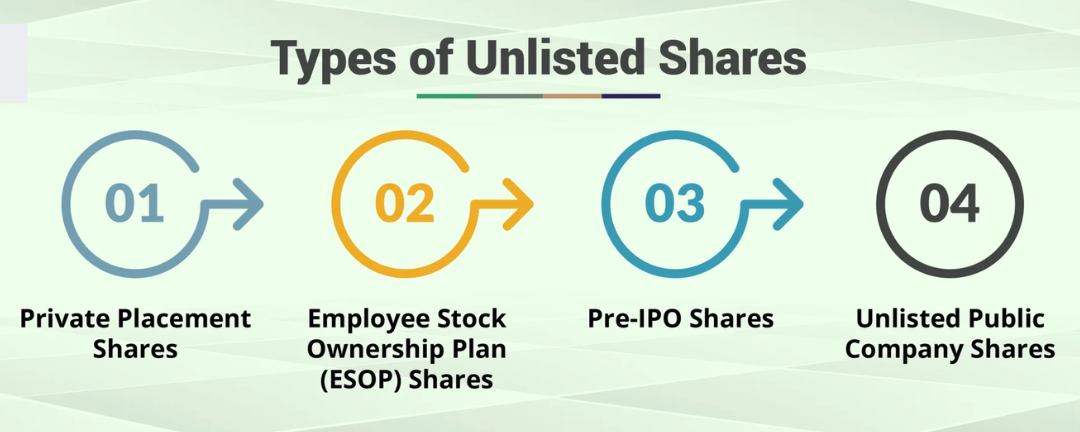
Unlisted shares are stocks of companies that are not listed on public stock exchanges. These companies may be:
- Startups
- Private companies
- Pre-IPO firms
- Delisted companies
These shares are traded privately through brokers or investment platforms.
Why Invest in Unlisted Shares?
1. Early Investment Advantage
Investors can enter before a company launches its IPO, often at a lower valuation.
2. High Growth Potential
If the company performs well and gets listed, investors may earn significant returns.
3. Portfolio Diversification
Unlisted shares provide exposure beyond traditional stock markets.
How to Invest in Unlisted Shares in India
Step 1: Choose a Trusted Broker
Work with reliable dealers who specialize in pre-IPO and unlisted markets.
Step 2: Research the Company
Analyze:
- Financials
- Business model
- Growth potential
Step 3: Negotiate Price
Prices are not standardized, so negotiation plays a key role.
Step 4: Transfer Shares
Shares are transferred via off-market transfer to your Demat account.
Risks of Unlisted Shares
- Low liquidity
- Limited transparency
- Price volatility
Taxation on Unlisted Shares in India
- Short-term capital gains (STCG): Taxed as per income slab (if held < 24 months)
- Long-term capital gains (LTCG): 20% with indexation (if held > 24 months)
Conclusion
Unlisted shares offer a unique opportunity to invest early in promising companies. While they carry risks, informed investors can benefit from high-growth potential before public listing.